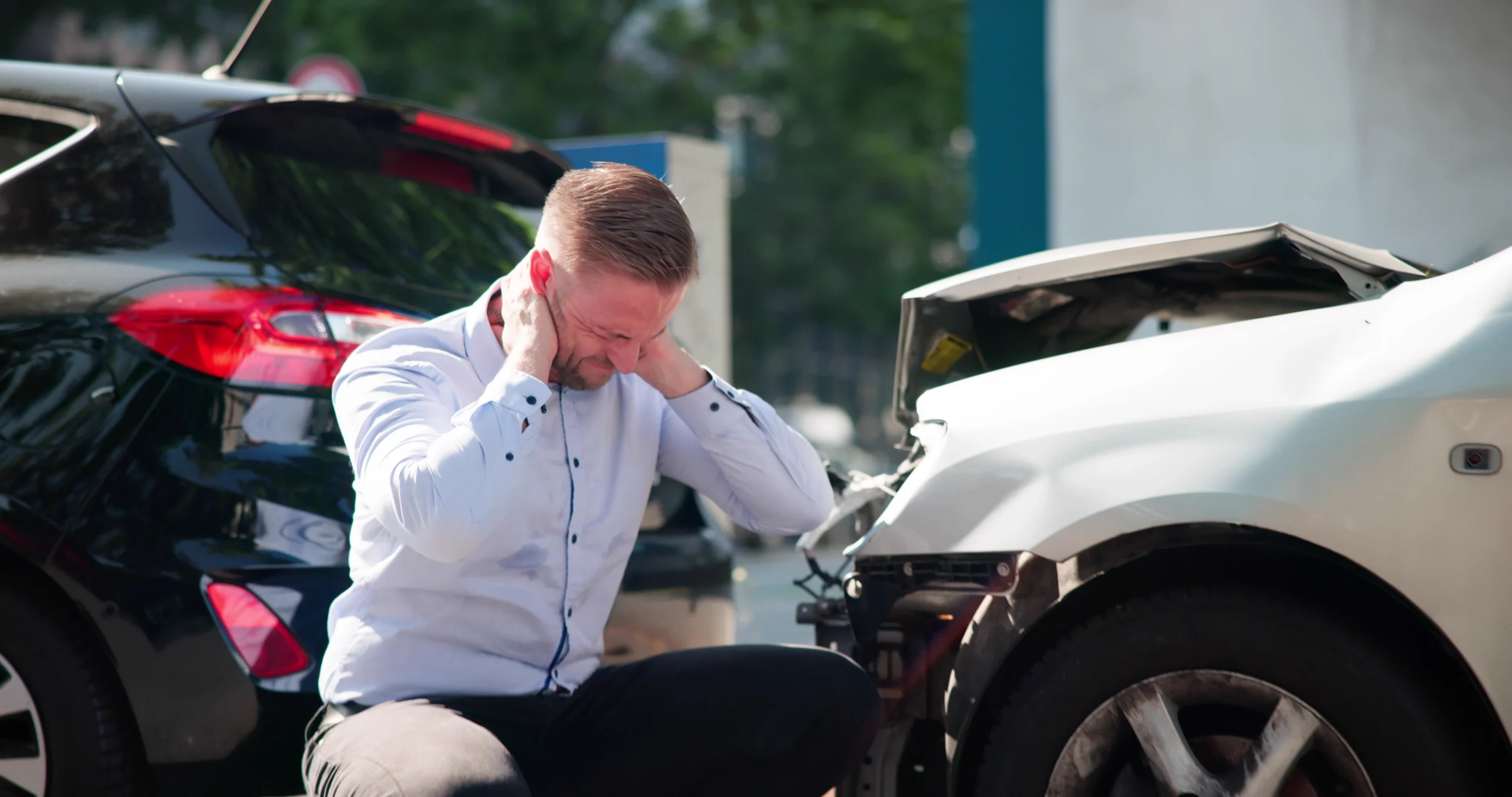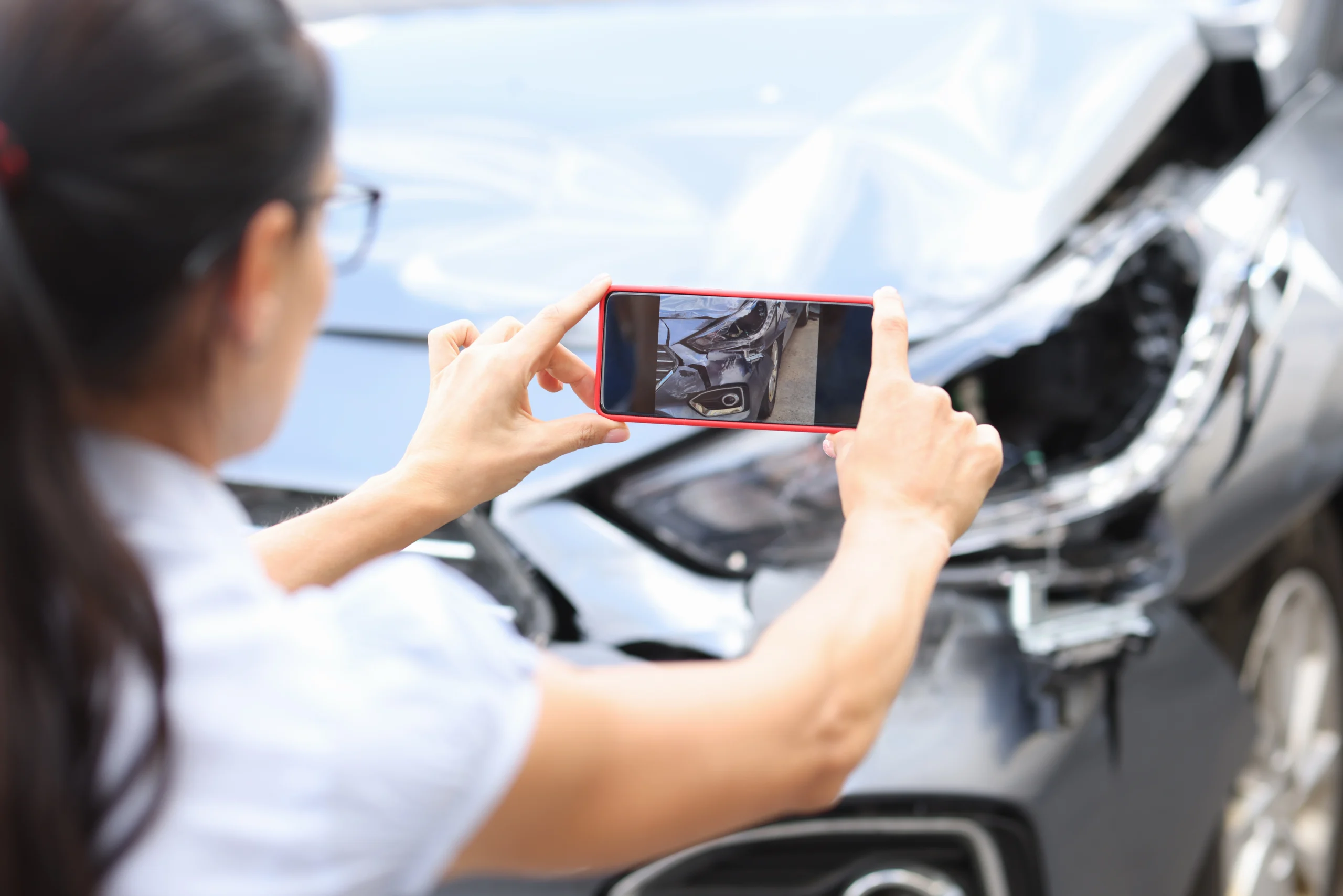
The most important car accident evidence includes photos of the scene and vehicles, the other driver's information, witness contact details, the police report, any video footage, and your medical records and receipts. Much of it disappears within days, so collect what you safely can at the scene and preserve it right away. If you are too hurt to gather evidence, a lawyer can often track it down later.
Why Evidence Decides So Many Claims
Insurance companies take evidence seriously. What they appreciate even more is a lack of it. After a crash, people are understandably focused on whether everyone is okay, whether the car can be driven and who to call. Documenting the scene rarely feels like a priority, but the details that matter most vanish fast: cars get moved, tire marks fade, video is overwritten and even your own memory becomes less reliable.
Think of your claim as a jigsaw puzzle. An adjuster will not simply accept your account of what happened. They want documentation that answers a few key questions:
- Who caused the crash?
- How did it happen?
- How severe was the impact?
- Did the crash cause your injuries?
- What financial losses followed?
The more of those pieces you can fill in, the harder it is for an insurer to dispute your claim. Our founding attorney has fought insurers for injured Californians since 2002. You do not need a background in accident reconstruction to preserve what matters. You just need to know what to look for.
First, Make Sure Everyone Is Safe
- Call 911 if anyone is hurt.
- Move to a safe spot if you can, and turn on your hazard lights.
- Follow instructions from police and paramedics.
- Never step into moving traffic to take a picture.
If you are seriously injured, do not try to document the scene. Your health comes first. A lawyer can often obtain surveillance video, the police report, vehicle inspections and witness interviews later.
Quick Evidence Checklist
- Photos of the whole scene and every vehicle
- Photos or video of your visible injuries
- Other driver's contact, license, registration and insurance information
- License plate numbers
- Witness names and phone numbers
- Officer's name, badge number, agency and report number
- Road, lighting and weather conditions
- Dashcam footage and the location of nearby cameras
How to Photograph the Scene
Your phone may be the most important tool you have after a crash. The mistake many people make is taking one photo of their bumper and putting the phone away. Photograph the scene the way an investigator would, in layers, and before the cars are moved if it is safe to do so.
Start Wide
Take several shots from different directions showing both vehicles, where they ended up on the road, the intersection, nearby buildings, traffic signals and lane markings. Anyone looking at the photos months later should immediately understand where the crash happened.
Move to Mid-Range
Next, capture the distance between vehicles, the lanes involved, road signs, crosswalks, medians and curbs. These photos help show how and where the vehicles were moving.
Finish With Close-Ups
Now get detailed: dents, scratches, cracked lights, broken glass, paint transfer, tire damage and deployed airbags, each from several angles.
Capture the Evidence on the Road
Some of the most useful evidence is not on the cars at all. Photograph skid marks, debris, fluid leaks, potholes, construction zones, road defects and standing water. These can reveal braking, speed and conditions that contributed to the crash, and an accident reconstructionist may rely on them later.
Photograph Every Vehicle, on Every Side
Do not limit yourself to your own car. Photograph the front, rear and both sides of every vehicle involved, plus license plates. Even undamaged areas can matter. Here is a practical point: adjusters routinely compare damage patterns against each driver's description of the crash. Complete photos make it much harder for anyone to change their story later.
Take More Than You Think You Need
Once the scene is cleared, it cannot be recreated. Storage is cheap. Keep shooting.
Get the Other Driver's Information
It sounds obvious, but people forget in the confusion. Before leaving, get the other driver's full name, phone number, address, driver's license details, insurance information and vehicle registration. Better yet, photograph each document to avoid mistakes in policy or license numbers.
Witnesses Can Make or Break a Disputed Case
Independent witnesses have no financial stake in the outcome, and insurers and juries tend to find them credible. Pedestrians, cyclists, other drivers, store employees and people at bus stops may all have seen what happened. You do not need to interview them. Just ask for their name, phone number and email so your attorney can follow up.
Call the Police
Many people skip calling the police after a minor crash. That is a mistake. A report records the officer's observations, the drivers and witnesses, road conditions and a timeline. It is not the final word on fault, but insurers lean on it heavily. Write down the officer's name, badge number, agency and report number, and request a copy once it is available. If the report gets the facts wrong, see our guide on fixing a wrong police report.
Video Is Often the Most Persuasive Evidence
There is a good chance something recorded your crash: a dashcam, a business security camera, a doorbell camera, a traffic camera or a bus camera. The problem is that many systems automatically overwrite footage within days. Before you leave, note the names and addresses of nearby businesses with exterior cameras so your lawyer can ask them to preserve the video.
Save Dashcam Footage Immediately
If you have a dashcam, save the clip right away, because many units record over older files. Back it up to cloud storage, a computer or an external drive. Dashcam video can show speed, signal changes, lane changes, following distance and driver behavior, and in some cases it becomes the single strongest piece of evidence in the claim.
Medical Records Connect the Crash to Your Injuries
A common story: a driver feels a little sore after a crash and decides to walk it off. Three days later the pain is severe. By then, the insurer has an argument that something else caused the injury. Insurers look closely at gaps in treatment, so get checked out promptly and follow through.
Keep copies of ER and urgent care records, X-rays and MRI results, physical therapy notes, reports from other doctors, prescriptions and medical bills. Each record strengthens the link between the collision and your injuries.
Keep a Pain Journal
Not every injury shows up on an X-ray. Short daily notes about pain levels, mobility, sleep, emotional strain and activities you cannot do help show how the crash affected your life. Something as simple as "Couldn't lift my toddler because of shoulder pain" can be powerful.
Save Every Receipt
Damages go beyond medical bills. Keep receipts for prescriptions, medical equipment, rides to appointments, rental cars, towing and parking. Small costs add up, and if they are not documented they may not be recoverable.
Do Not Rush the Repairs
Your car is evidence. Before repairs begin, photograph everything, get written estimates and keep damaged parts where you can. Vehicle damage can show the direction of impact, how severe it was and how the cars moved. Once the repair starts, that information may be gone.
Preserve Electronic Evidence
Many modern vehicles have event data recorders that can capture speed, braking, steering and seat belt use around the time of a crash. The National Highway Traffic Safety Administration explains that these devices can record useful pre-crash and crash information. Your phone holds evidence too: texts, emails from insurers, call logs and rideshare trip records. Save all of it.
Stay Off Social Media
Insurers routinely check public social media. A smiling photo at a family barbecue can be presented as proof your injuries are not serious, even if you spent the next day in bed. Until your claim is resolved, think carefully before posting anything. Here is more on how social media can affect your injury case.
Evidence in Special Situations
Hit-and-Run Crashes
When the other driver flees, evidence about the car and the escape route becomes critical. Write down or record everything you remember right away: the make, model, color, partial plate, direction of travel and any damage or distinctive features. Look for cameras along the route the driver took, not just at the crash site, and report the crash to police promptly. A timely report is also important if you need to make an uninsured motorist claim with your own insurer. Learn more about hit-and-run accident claims.
Rideshare and Commercial Vehicles
If an Uber, Lyft, delivery van or work truck was involved, photograph any company logos, decals and vehicle numbers. If you were a rideshare passenger, screenshot the trip in your app. The driver's app status or work status at the moment of the crash can decide which insurance policy applies, so that information is worth capturing while it is easy to get.
Crashes Where You Were Partly at Fault
California uses comparative fault, which means an insurer will look for any evidence that you contributed to the crash so it can reduce what it pays. Evidence is just as important for limiting blame as for proving the other driver's fault. Photos of signals, sight lines and road conditions often answer the insurer's arguments before they gain traction. Our page on Los Angeles car accident claims explains how fault and damages fit together.
Organize It Like a Lawyer Would
Create one master folder with subfolders for photos, medical records, insurance documents, repair estimates and witness information, and back it up to the cloud. Losing your phone should not mean losing your case.
Common Evidence Mistakes
- Assuming the police report is enough. It is one piece. Officers do not record everything.
- Throwing away damaged items. Broken glasses, torn clothing and a damaged car seat all show how violent the impact was.
- Waiting too long. Scenes get cleaned, witnesses forget and memories fade.
- Deleting photos. Even blurry pictures carry time and location data that can support your account.
When You Cannot Collect Evidence Yourself
If you were hospitalized, unconscious or too hurt to move, that is okay. A lawyer can often locate surveillance video, police reports, vehicle data, additional witnesses and expert analysis. The key is getting help before that evidence disappears. Evidence can matter a great deal when fault is contested; as one example, our firm obtained a $750,000 result in a disputed freeway lane change case, combining $250,000 in policy limits and $500,000 in underinsured motorist coverage. Every case is different, and past results do not predict future outcomes.
The Bottom Line
Crashes happen in seconds, but their effects can last months or years. Good evidence can be the difference between a denied claim and a fair recovery. Document everything, take photos, save receipts, keep your medical records and get witness information. If you are unsure what you need, read about when to hire a car accident lawyer, or call (818) 946-2034 and request a free case review with Oaks Law Firm. You pay no attorney's fee unless we recover compensation for you.